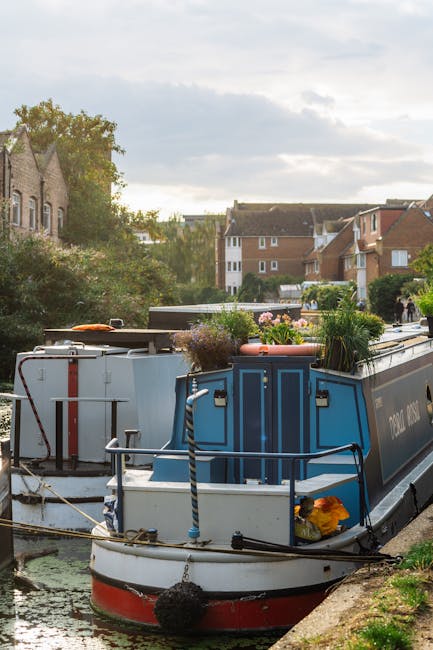
Grand Union Canal riverside garden services Perivale: Practical, Beautiful Care for Waterside Gardens
If you live or manage a garden near the Grand Union Canal in Perivale, you already know the setting is a bit special. The light changes differently by the water, winds can move through in a hurry, and plants never quite behave like they do in a sheltered suburban back garden. That is exactly why Grand Union Canal riverside garden services Perivale need a more considered approach: one that balances beauty, resilience, safety, and day-to-day practicality.
Whether you are looking after a narrow waterside plot, a shared access strip, or a private garden that leans toward the canal, the aim is usually the same: keep it tidy, usable, and welcoming without creating extra work for yourself. In this guide, we will walk through what makes waterside garden care different, how the service works, what good results look like, and the common mistakes worth avoiding. A little planning goes a long way here. Truth be told, it can save you a lot of damp-clump frustration later on.
Why Grand Union Canal riverside garden services Perivale Matters
Canal-side gardens in Perivale face a set of conditions that are slightly more demanding than the average front or back garden. There is often more exposure to wind, more moisture in the air, and in some spots, more foot traffic, pet activity, or visibility from neighbouring properties and waterside paths. That means garden maintenance is not just about looking neat. It is about keeping the space healthy, safe, and robust enough to cope with the setting.
The Grand Union Canal is a lovely local feature, but it can influence how a garden behaves. Soil may stay wetter for longer after rain. Certain areas may receive dappled shade from mature trees, fences, or nearby structures. Some plants will thrive there; others will sulk, and a few will just give up entirely. That is where thoughtful planning matters most.
Good riverside garden care also helps protect long-term garden value. A tidy boundary, well-managed planting, and sensible pruning all contribute to a space that feels intentional rather than neglected. And if you are aiming for a relaxed outdoor area, maybe somewhere to sit with a tea on a breezy evening, the difference is immediate. You will notice it the moment you step outside.
Expert summary: canal-side garden work is rarely about doing more; it is about doing the right things at the right time, with an eye on wind, moisture, visibility, and plant resilience.
For homeowners and landlords alike, that practicality matters. It is also why many people choose broader help through garden maintenance rather than piecing together one-off fixes after problems already show up. Prevention usually costs less than rescue, and it looks better too.
How Grand Union Canal riverside garden services Perivale Works
In practice, riverside garden services begin with a proper look at the site. Not a glance. A proper look. That means checking where water sits after rain, how much sun the garden gets, whether the wind funnels along the canal edge, and which plants are already coping well. A decent service will also consider access, waste removal, safety around slopes or edges, and how often the garden needs attention to stay in shape.
From there, the work tends to fall into a few overlapping parts:
- Clearing and tidying: removing leaves, dead growth, litter, and clutter that collect faster near open water.
- Pruning and shaping: keeping shrubs, hedges, and climbers manageable rather than dense and top-heavy.
- Weed control: preventing aggressive weeds from settling into damp borders and paving joints.
- Soil improvement: adding organic matter where needed so the garden can hold moisture without becoming waterlogged.
- Planting adjustments: swapping out fussy plants for species that suit canal-side conditions better.
- Surface care: maintaining paths, patios, decking edges, and access points so the whole garden feels safe and usable.
For some gardens, the work is light and regular. For others, it starts with a bigger reset, especially if the plot has been neglected or is being redesigned around the waterside setting. In those cases, a well-planned landscaping approach can make the space easier to maintain over time, not just prettier for a week or two.
There is also a seasonal rhythm. Spring is often about recovery and new growth. Summer can bring rapid growth and more watering pressure. Autumn is the tidy-up season. Winter is where structure matters most, especially if you want the garden to still look good when the leaves are down and the canal winds feel sharper than usual.
Key Benefits and Practical Advantages
The main benefit of canal-side garden services is simple: a better garden with less stress. But there is more to it than that.
1. Better plant survival
Plants suited to the site, planted and maintained properly, are far more likely to cope with damp, breeze, and sudden weather changes. That means fewer replacements and less waste.
2. Improved kerb appeal and liveability
A tidy riverside garden feels calmer. Even a small space can become a place you actually want to use, instead of one you keep meaning to sort out one weekend.
3. Reduced maintenance over time
When beds are mulched, hedges are cut back properly, and problem plants are removed early, the garden becomes easier to manage. This is the bit people sometimes miss. Good maintenance is an investment in future calm.
4. Safer pathways and edges
Near-water gardens often have narrow access routes, slippery spots after rain, or awkward corners where weeds and overgrowth creep in. Keeping these clear is not just tidy; it is sensible.
5. More privacy without overcomplication
Riverside gardens can feel exposed. A layered planting plan, screened boundary, or carefully chosen hedge can soften views without making the garden feel boxed in. If that is a priority, it is worth exploring ideas from privacy hedge guidance.
6. Better year-round structure
Canal-side spaces can look bare in winter if they rely on one-season planting. Strong evergreen structure, thoughtful hard landscaping, and reliable edging keep the garden looking intentional all year.
| Garden need | What works well near the canal | Why it helps |
|---|---|---|
| Wind exposure | Layered planting, sturdy shrubs, supported climbers | Reduces snapping and wind rock |
| Damp soil | Drainage checks, mulching, moisture-tolerant plants | Prevents root stress and rot |
| Privacy | Hedges, trellis planting, screens | Makes the space feel enclosed without heavy structures |
| Low upkeep | Perennials, ground cover, scheduled maintenance | Reduces weekly effort |
Who This Is For and When It Makes Sense
This kind of service is a good fit for quite a few people, and not just the keen gardeners. In fact, some of the best results come from people who are simply realistic about time, weather, and plant choice.
- Homeowners who want their canal-side garden to feel calm and presentable without spending every Saturday doing catch-up work.
- Landlords who need outdoor spaces kept neat between tenancies or while a property is being prepared for sale.
- Busy families who want a practical garden that still feels pleasant to sit in.
- Older residents who prefer ongoing support for pruning, weeding, and basic upkeep.
- People creating a new garden design and needing help turning ideas into something workable near the canal.
It also makes sense after storms, heavy rain, or long growth bursts in late spring and early summer. The canal corridor can amplify wind and moisture effects, so one rough week can leave a garden looking much more tired than you expected. We have all had that moment of stepping outside and thinking, well, that got out of hand quickly.
If your garden is mostly paved with a few planted edges, you may need a lighter service focused on edging, cleaning, and container care. If it is a bigger, layered plot, then ongoing support makes more sense. Some people also combine it with patio cleaning when moss, algae, and damp staining start to make the seating area look tired.
Step-by-Step Guidance
Here is a practical way to approach riverside garden care without overthinking it.
- Start with the site conditions. Look at drainage, sun, shade, wind, and access. A garden next to the canal is never just "average ground."
- Identify what is already working. Keep the plants that suit the site. Remove the ones that keep failing, no matter how lovely they looked in the catalogue.
- Set priorities. Do you need privacy, lower maintenance, safer paths, better planting, or a full reset? Pick the first job, not all of them at once.
- Tackle structural issues first. Sort drainage, border edges, broken fencing, loose decking, or unstable plant supports before fine-tuning the planting.
- Build the planting plan around resilience. Choose species that suit local conditions, with an emphasis on wind tolerance and moisture compatibility.
- Use ground cover and mulch. These are underrated. They suppress weeds, protect soil, and make borders look finished.
- Schedule repeat visits. Riverside gardens do not stay tidy by accident. Light but regular maintenance works better than infrequent big clean-ups.
If you are starting from scratch, a seasonal makeover can help you get the bones right. For ideas on planning, layering, and making the most of a tired outdoor space, see this garden makeover guide. It is especially helpful when you are trying to avoid costly rework later.
One small but useful habit: take photos of your garden in different weather. You learn a lot from them. The sunny version often lies a little.
Expert Tips for Better Results
In canal-side work, the difference between a decent garden and a really good one usually comes down to judgement. A few small decisions, consistently made, add up.
- Choose tougher plants near the open edge. Plants at the exposed side of the garden should tolerate breezes and occasional drying more than those tucked against the house.
- Layer heights carefully. Tall at the back, medium in the middle, ground cover at the front. Simple, but it works. It also stops the garden looking jumpy.
- Keep hedges light and balanced. Overgrown hedges catch wind and shade lower planting. If shaping is part of the job, specialist hedge trimming in Perivale can keep the boundary clean and manageable.
- Use evergreen structure. On a grey January afternoon, evergreens do a lot of heavy lifting visually.
- Be careful with containers. Pots near water and wind need good anchoring and sensible watering. They can look lovely, but they do ask for attention.
- Think about the garden from inside the house. If the view from the kitchen or living room is dull, the garden often feels worse than it is.
- Don't overplant. Too many species in a small space quickly becomes maintenance chaos. A restrained plan is usually more elegant, and easier to live with.
A good toolset also matters. Clean pruners, a sharp hedge tool, a leaf rake, gloves that do not tear after two uses, and a proper wheelbarrow or garden bag all save time. If you are building up your own kit, the article on practical gardening tools is a sensible place to start.
And if you want a softer, more contemplative feel, especially near water, you might look at layout ideas from zen garden planning. Not every riverside garden should be a riot of colour. Sometimes calm is the whole point.
Common Mistakes to Avoid
Canal-side gardens are forgiving in some ways and brutally honest in others. If something is slightly wrong, you tend to notice faster because the space is more exposed. Here are the errors that come up again and again.
- Using the wrong plants for the site. Shade lovers in bright exposed positions, thirsty bedding plants in damp corners, or tender shrubs in windy spots. It sounds obvious, but it happens all the time.
- Ignoring drainage. If water sits where it should not, roots struggle. No amount of hopeful watering can fix that.
- Letting hedges and climbers get out of hand. What starts as a soft screen can become a dense wall that blocks light and traps moisture.
- Overcomplicating the design. Too many materials, too many plant types, too many little features. The garden ends up feeling busy instead of welcoming.
- Neglecting boundaries and access. Overgrown edges, loose paving, and clutter near paths make the garden harder and less safe to use.
- Forgetting winter structure. A garden that looks great in August can feel very flat by February if there is no evergreen backbone.
We also see people try to "fix" a difficult garden with more fertiliser or more watering. Sometimes that helps. Often it just masks the real problem for a month or two. If the soil is wrong or the plant choice is wrong, the answer is to address the root issue, not keep feeding the mistake. A bit blunt, maybe, but true.
Tools, Resources and Recommendations
You do not need a shed full of expensive gear to keep a canal-side garden in good condition. You do need the right basics and a realistic maintenance rhythm.
- Hand tools: secateurs, loppers, hand fork, trowel, edging tool, and a sturdy rake.
- Safety items: gloves, protective footwear, and eye protection when cutting back woody growth.
- Soil care materials: compost, bark mulch, and organic matter to improve structure and moisture retention.
- Support materials: canes, ties, trellis panels, and plant supports for climbers or young shrubs.
- Cleaning tools: stiff broom, pressure washer used carefully, and suitable algae removal methods for hard surfaces.
If your plot has a lot of vertical potential, maybe because space is tight and the boundary needs softening, then vertical planting techniques can be a smart way to add greenery without crowding the ground level. That approach works especially well where every square metre matters.
For compact gardens, don't overlook container gardening. In a riverside setting, containers can help you control soil quality, drainage, and visual impact all at once. Just remember to keep them stable when the wind picks up.
If weeds are becoming a constant battle, it may be worth reviewing weed control tips before the problem gets entrenched. Weeds near water can spread quickly because the conditions suit them rather well, annoyingly enough.
Law, Compliance, Standards, or Best Practice
For a private garden, there is usually less formal red tape than for commercial sites, but best practice still matters. If the work involves trees, hedges, shared boundaries, access ways, or any area that could affect neighbours or public paths, care and communication are essential. In London, it is always sensible to be mindful of local conditions, neighbours, and any site-specific restrictions that may apply to the property.
Safety is a practical issue too. Near the canal, wet surfaces, uneven edges, and hidden trip hazards are more than minor inconveniences. Good working practice means stable footing, sensible tool handling, and careful waste removal so cuttings do not slip into paths or drainage points.
If tree work is required, that should be handled with the same caution you would expect anywhere else: assess risk, avoid unnecessary damage, and keep work proportionate to the tree's condition and the garden's needs. For anything more involved, it is wise to check the details of tree surgery services before deciding what needs doing.
Insurance, clear terms, and transparent pricing also build trust. That may sound dry, but it matters if work is being done near shared spaces or with more complex access. You can also review practical information on insurance and safety, health and safety policy, and terms and conditions when comparing providers.
For general service expectations and budgeting, pricing and quotes is useful as a starting point, while payment and security helps reassure you about the practical side of booking work. A professional approach should feel organised, not mysterious.
Options, Methods, or Comparison Table
Different canal-side gardens need different levels of care. Here is a simple comparison that may help you decide what makes sense.
| Approach | Best for | Pros | Trade-offs |
|---|---|---|---|
| One-off tidy-up | Overgrown or neglected gardens | Fast reset, immediate improvement | Needs follow-up to stay tidy |
| Seasonal visits | Gains and gaps through the year | Good balance of cost and upkeep | May not suit fast-growing gardens |
| Regular maintenance | Busy households, landlords, shared spaces | Consistent appearance, fewer problems | Requires a recurring commitment |
| Full redesign plus maintenance | Problem gardens or new projects | Long-term improvement, stronger structure | Higher upfront effort |
If you are weighing up whether to keep patching a garden or start fresh, it may help to compare your current plan against a broader service scope such as gardening services. In some cases, the right answer is simply a phased plan: clear, reshape, plant, then maintain.
Case Study or Real-World Example
Here is a realistic example from the kind of site people often ask about. A narrow Perivale garden backing onto the Grand Union Canal had two persistent problems: wet, patchy borders in winter and a very exposed seating area in summer. The owners liked the space, but never really used it. It felt unfinished. A bit forgotten, if we are honest.
The first step was not planting. It was sorting the structure. We cleared the border edges, improved the soil in the wetter section, and trimmed back a hedge that was stealing too much light. Then we added a mix of evergreen structure, hardier perennials, and a few controlled climbers to soften the fence line without letting the whole garden turn into a tangle.
We also reduced the number of pots, because too many containers were drying out unevenly and making the seating area feel cluttered. A cleaner patio edge, followed by a better planting rhythm, changed the whole feel of the place. Not overnight, but quite quickly, actually. By late summer the garden looked calmer, and by winter it still held its shape.
The most useful part of the process? The owners could finally sit out without feeling they were staring at a problem list. That is what good riverside garden care should do. It should remove friction. It should make the space easier to enjoy.
One helpful follow-up was a simple service schedule. Monthly touch-ups in the growing season, then lighter winter checks. That small change stopped the garden from sliding backwards every time the weather shifted, which near the canal, it always does.
Practical Checklist
Use this checklist if you are planning work near the Grand Union Canal in Perivale.
- Check how much wind, shade, and damp the garden gets.
- Identify any slippery paths, awkward steps, or uneven access points.
- Decide whether the main goal is tidiness, privacy, planting, or a full redesign.
- Remove dead growth, weeds, and clutter before adding new plants.
- Choose plants suited to the site rather than plants you simply like in theory.
- Use mulch or ground cover to reduce weed growth and protect soil.
- Keep hedges, climbers, and shrubs trimmed before they become heavy or unruly.
- Review fencing, edging, and screening for wear or instability.
- Plan seasonal maintenance rather than waiting for the garden to get messy.
- Keep a simple record of what thrives and what fails.
If you are looking for inspiration for softer planting layers, ground cover selections can be a very practical starting point. They look good, help suppress weeds, and make maintenance a bit less relentless.
For gardens with damp corners or tricky shade, climbers can also be surprisingly useful. The right climber can hide a plain wall, soften a fence, and bring life into the dimmer parts of the plot. That is where evergreen climbers for shade can earn their keep.
Conclusion
Grand Union Canal riverside garden services Perivale are about more than keeping things neat. They are about understanding a distinctive local setting and giving it the kind of care that actually works there. The canal brings character, movement, and a lovely sense of place, but it also asks more from your planting, your maintenance rhythm, and your design decisions.
If you get the basics right, the rewards are easy to feel. Better structure. Healthier plants. Safer paths. A garden that looks good in bright July light and still feels considered in the damp cold of February. That is a proper win, really.
Whether you need a one-off reset, seasonal support, or a longer-term maintenance plan, the smartest move is usually to start with the site itself and build from there. Keep it practical. Keep it resilient. And leave a little room for the garden to breathe.
Get a free quote today and see how much you can save.
If you are ready to talk through your waterside garden and want a straightforward next step, you can always begin with the team at about us or make an initial enquiry through contact. Sometimes the hardest part is simply getting started, and after that, things get easier.
Frequently Asked Questions
What makes canal-side garden services different from standard garden maintenance?
Canal-side gardens in Perivale are typically more exposed to wind, damp, and variable shade, so maintenance has to take those conditions into account. The work often focuses more on resilience, drainage, and access safety than a standard urban back garden might require.
Do I need specialist planting near the Grand Union Canal?
Usually, yes. You do not necessarily need exotic or complicated plants, but you do need varieties that suit exposure, moisture, and the amount of sun your garden actually receives. The wrong plant choices tend to fail quickly in waterside settings.
How often should a riverside garden be maintained?
That depends on size, planting density, and how exposed the site is. Many gardens benefit from regular seasonal visits, while some need lighter monthly or bi-monthly attention during the growing season to stay under control.
Can canal-side gardens still be low maintenance?
Absolutely. Low maintenance is possible, but it has to be designed properly. Ground cover, evergreen structure, hardy perennials, and sensible pruning schedules can reduce the workload a lot.
What are the main problems with gardens near water?
The most common issues are wind damage, excess moisture, slippery surfaces, weed spread, and plants becoming too dense or unstable. None of these are dramatic on their own, but together they can make a garden feel hard to manage.
Is hedge trimming important for riverside gardens?
Very much so. Hedges can create privacy and structure, but if they are left unchecked they block light, catch wind, and become cumbersome to maintain. Regular shaping keeps them healthy and neat.
Can you help with patio or decking areas near the canal?
Yes, and it is often sensible to include hard surfaces in the same maintenance plan as planting. Damp conditions can make patios and decking look tired quickly, so keeping those areas clean helps the whole garden feel cared for.
Should I choose more evergreen plants near the canal?
In many cases, yes. Evergreens provide structure through winter and help the garden keep its shape when deciduous plants have died back. They are especially useful in exposed or visually open areas.
How do I know whether I need a full makeover or just maintenance?
If the garden already has a good layout and healthy planting, maintenance may be enough. If the site has drainage problems, poor plant choices, or awkward edges and access, a makeover or phased redesign may be the better option.
Is it worth improving soil in a riverside garden?
Definitely. Soil structure is one of the biggest factors in how well plants perform. Adding organic matter, improving drainage where needed, and using mulch can make a noticeable difference over time.
What should I ask before booking garden services in Perivale?
Ask about experience with similar sites, how they handle safety and access, what is included in maintenance visits, how waste is removed, and whether the work is tailored to your garden's specific conditions. A clear answer is usually a good sign.
How do I keep a canal-side garden looking good through winter?
Focus on structure. Evergreen planting, tidy hedges, clean borders, and swept paths make a huge difference. Winter is not the season to rely on flowers alone; the garden needs bones, not just decoration.
Where can I find more advice before planning my garden?
It helps to look at practical topics like low-maintenance design, weed control, container planting, and wind-smart planting before making decisions. Once you know the constraints of the site, the right choices become much easier.