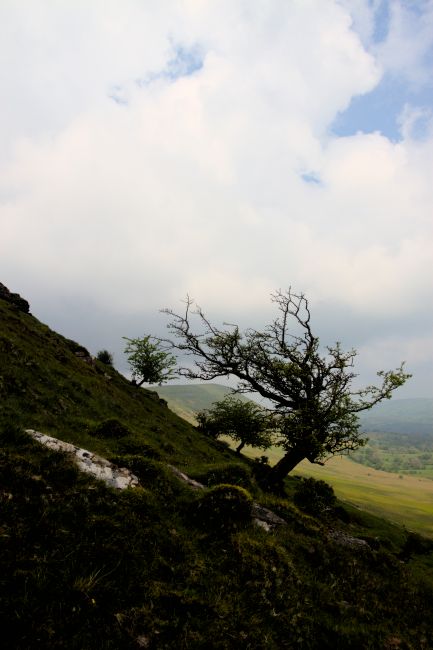
Horsenden Hill gardeners for steep slope tree access
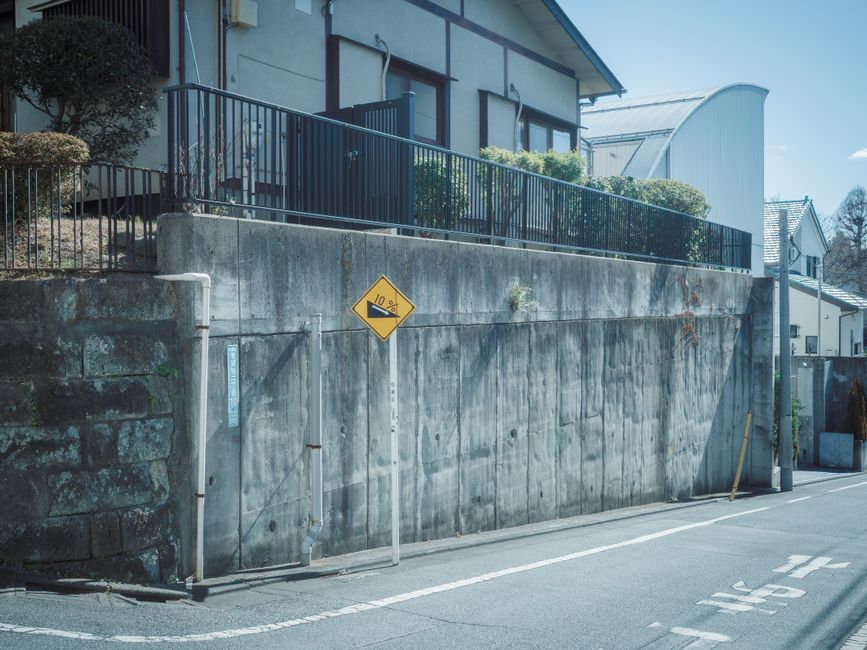
If you need Horsenden Hill gardeners for steep slope tree access, you are probably dealing with a garden that looks straightforward from above and a bit awkward from below. Steep banks, uneven footing, hidden roots, brambles, loose soil, and a tree that sits just out of easy reach can turn a simple job into something fiddly fast. The good news? With the right planning, access method, and sensible safety steps, those difficult slopes can be managed properly without damaging the garden or making a mess of the tree.
This guide explains how steep-slope tree access is approached in real gardens, what to expect from a professional visit, where the risks sit, and how to decide whether a one-off access solution or a broader garden maintenance plan makes sense. It is written for homeowners who want clear answers, not jargon. And yes, we will keep it practical.
- Why Horsenden Hill gardeners for steep slope tree access matters
- How the work actually works
- Key benefits and practical advantages
- Who this is for and when it makes sense
- Step-by-step guidance
- Expert tips for better results
- Common mistakes to avoid
- Tools, resources and recommendations
- Law, compliance, standards, and best practice
- Options, methods, and comparison
- Case study or real-world example
- Practical checklist
- Conclusion
- Frequently asked questions
Why Horsenden Hill gardeners for steep slope tree access Matters
Steep-slope tree access is not just a question of convenience. On a bank or incline, every step changes the way a job is done. A ladder that would be fine on level ground can become unstable. A wheelbarrow can tip. Cut branches can slide downhill. Even routine tasks like pruning, clearing deadwood, removing suckers, or checking the base of a tree become more demanding when the ground is sloping away from you.
That is why people looking for Horsenden Hill gardeners for steep slope tree access are usually looking for more than "someone who can garden." They need someone who understands terrain, load handling, safe working positions, and how to protect surrounding planting. In the real world, access is often the main challenge. The tree work itself may be fairly routine; getting to it safely is the hard part.
Horsenden Hill and the surrounding West London landscape include gardens with raised beds, embankments, boundary trees, back corners that are half-hidden, and properties where the usable ground is broken into levels. If the slope is wet, shaded, or packed with loose leaf litter, the risk goes up again. You do not want a rushed approach here. One slip on a bank can ruin a day. Or worse.
There is also a wider garden-design point. Once access is awkward, maintenance tends to get delayed. The tree grows on, branches overreach, weeds creep in, and the slope becomes less manageable over time. A planned, professional approach helps break that cycle before it turns into a bigger repair job.
If you are already thinking beyond the access issue itself, it may help to look at related improvements too, such as regular garden maintenance or a broader landscaping review to make awkward terrain easier to live with in the long run.
How Horsenden Hill gardeners for steep slope tree access Works
At a practical level, steep-slope access usually starts with a site assessment. That assessment is about three things: the ground, the tree, and the route in and out. A good gardener will want to know where the slope begins, how firm the soil is, whether the surface is grassy, muddy, gravelled, or overgrown, and whether there is a safer access path from the top, bottom, or side.
From there, the method is chosen. On some jobs, the answer is careful ground access with specialist footwear, manageable tools, and well-placed drop zones. On others, it may involve sectional work from a safer position, low-impact pruning, or using access aids to reduce the need to carry heavy kit up and down the incline. The aim is not to overcomplicate things. It is to work in a way that matches the terrain.
For tree work near slopes, the access plan should also consider what sits around the tree. A bank can hide irrigation lines, sleeper edges, retaining walls, or ornamental planting. Anyone working there needs to avoid compacting the soil more than necessary. That matters because compacted soil is less forgiving, especially around roots and on worn slopes where water already runs off quickly.
You will notice that good access work often looks calm rather than dramatic. There is not always much noise, but there is a lot of judgment. A rope moved one way, a branch cut in a different order, a pause before stepping down a section of bank. That careful pace is usually the sign you want.
For homes with denser boundaries or trees mixed with screening plants, it can be sensible to combine the access work with tree surgery planning or, where the slope is part of a privacy boundary, ideas from our guide to fast-flourishing privacy hedges can help you think about future layout as well.
Key Benefits and Practical Advantages
The biggest benefit is straightforward: the work gets done safely. But there is a little more to it than that. A proper steep-slope approach protects the tree, protects the garden, and saves you from the slow drain of repeated half-finished jobs.
- Safer working conditions: fewer awkward carries, fewer unstable positions, and better control when working near a drop or bank.
- Less damage to the garden: careful route planning reduces soil erosion, crushed planting, and scuffed turf.
- Better tree outcomes: pruning, clearance, and inspection can be done cleanly without overreaching or forcing poor cuts.
- More efficient maintenance: once access is solved, future visits become simpler and less disruptive.
- Reduced stress for the homeowner: you are not left worrying about whether someone will slip, drop tools, or damage a border.
There is a design benefit too, even if it is easy to miss. Steep slopes can make a garden feel unmanaged when really it is just difficult to reach. Once access is improved, the whole space suddenly feels more usable. A bank that looked like a problem may start to look like a feature again.
That is one reason many homeowners link access work with improvements such as ground cover planting ideas or even vertical planting techniques where space and slope need to work together.
Who This Is For and When It Makes Sense
This kind of service is right for you if any of these sound familiar:
- You have a tree on a bank, embankment, or sloping rear garden and cannot reach it comfortably.
- The route to the tree is narrow, soft, or awkward for carrying tools.
- You have already tried to maintain the area yourself and found it harder each season.
- The tree is close to a boundary, shed, retaining wall, fence line, or planting bed that needs care around it.
- You want pruning, clearance, or inspection done without turning the slope into a damaged patch of bare soil.
It also makes sense if you are preparing for seasonal work. Before winter, steep ground can become slippery and more difficult to manage. After a windy spell, access may be cluttered by small branches and debris. In spring, the slope may look stable but hide fresh growth that tangles underfoot. There is never really a perfect time, truth be told, but there are better times.
If the tree itself is healthy and the issue is mainly access, a planned maintenance visit is often enough. If the tree is overgrown, leaning, or structurally uncertain, the access plan becomes part of a bigger conversation and should be handled more cautiously.
For homeowners balancing several outdoor priorities, it can help to think in layers. Tree access, then boundary structure, then planting, then ongoing care. A project rarely lives in just one box. That is why many people reviewing access work also look at broader gardening services or, where boundaries matter, fencing alongside the tree job.
Step-by-Step Guidance
Here is the simplest way to think about the process.
- Survey the slope and entry points. Identify the safest way in. Sometimes the top of the bank is steadier; sometimes it is not.
- Check the tree from multiple angles. A tree viewed from below can look very different once you are level with the crown or trunk.
- Decide what needs doing. Is it pruning, deadwood removal, clearance, inspection, or full access for a larger job?
- Choose the least disruptive method. The best method is usually the one that protects the ground and gives stable footing.
- Prepare the work zone. Move fragile pots, mark hazards, and create a sensible place for tools and cut material.
- Work in controlled stages. On slopes, it is better to manage smaller sections than to try and force a quick all-at-once solution.
- Clear and check before leaving. Loose cuttings, wet leaves, and dropped twigs can be more dangerous than the original task.
If you are attempting any part of this yourself, do not rush the preparation. People often focus on the cutting and forget the footing. That is where trouble starts. A stable stance matters more than a clever tool, especially on a bank that has a mind of its own after a bit of rain.
For tree-related jobs in difficult positions, many households also benefit from a quick review of existing maintenance schedules. A slope that is cut back and cleared regularly is much easier to work on than one that is left to become overgrown. If you are already thinking about a refresh, this garden makeover guide may help you think through the wider transformation.
Expert Tips for Better Results
A few habits make a noticeable difference on steep ground.
Start with the ground condition, not the tree. If the bank is slippery, soft, or uneven, sort that out first. A tree job done on bad footing is harder and riskier than it needs to be.
Use the slope to your advantage. It sounds odd, but it is often better to work from the most stable side and let gravity help with controlled debris movement rather than fighting the terrain.
Keep tools simple and manageable. Big equipment can be tempting, but smaller, well-chosen tools are often safer and easier to handle on awkward ground. There is a reason experienced gardeners do not drag the whole shed with them.
Protect root zones. If the tree sits on the slope, roots may be exposed or shallow. Avoid chopping, digging, or compacting around the base unless the plan clearly allows it.
Think about runoff. Water moves differently down a slope. After heavy rain, the access route you used last week may be a different story entirely.
Build in an exit plan. It sounds obvious, but on steep terrain, a clean way out matters nearly as much as the way in. You do not want to finish the job and then realise the easiest exit is the one full of slick grass and loose clippings.
For the broader garden context, you may also find useful ideas in our wind-smart garden guide, especially if your slope is exposed to gusts that make tree work feel a bit more dramatic than you planned.
Common Mistakes to Avoid
Most problems on steep slopes come from overconfidence or poor sequencing. The job starts badly, then keeps getting worse. Here are the usual culprits.
- Using a ladder on unstable ground: a ladder and a slope are not a friendly pair unless the setup is properly assessed.
- Carrying too much at once: heavy loads can throw balance off in seconds.
- Ignoring wet weather: a bank that feels manageable when dry can become treacherous after a short shower.
- Cutting before checking the drop zone: branches need a clear landing plan, especially where they can roll downhill.
- Damaging nearby planting: an access route that tramples ground cover or borders can create more work than the tree job itself.
- Assuming every tree issue is urgent: some jobs need immediate attention, others need planning. Knowing the difference matters.
Another mistake is treating the slope like a temporary annoyance. It is not. It is part of the site. Once you accept that, the whole approach improves. You plan for the bank, not around it.
That mindset is particularly useful if your garden already includes layered planting or low-maintenance areas, because the slope needs to fit the design rather than fight it. If that sounds familiar, have a look at low-maintenance garden ideas and weed control tips to support the bigger picture.
Tools, Resources and Recommendations
For steep-slope access, the best tools are the ones that improve stability, control, and efficiency without overcomplicating the task. In practical terms, that usually means:
- well-fitting footwear with proper grip
- lightweight, easy-to-carry hand tools
- gloves with good dexterity
- secateurs, loppers, and pruning saws suited to the job
- tarpaulins or debris-control materials where branches or cuttings need containing
- markers or temporary boundaries to define safe access paths
- ground protection where soft turf or planted areas need shielding
For homeowners planning regular work, a simple maintenance routine is often more useful than buying niche kit. Clear the access line, remove slip hazards, and keep the slope trimmed back before it becomes a tangle. That alone can save a lot of grief.
If you like keeping your garden orderly through the year, it may also help to read our tools guide for a sense of what genuinely earns its keep. And if the slope is part of a wider compact garden, container gardening ideas can be a smart way to keep planting attractive without crowding the access route.
Law, Compliance, Standards, and Best Practice
For this kind of work, the main point is not to turn the article into a law lecture. The practical reality is simpler: any work on steep ground should be done with proper care, reasonable risk assessment, and attention to site conditions. In the UK, safe working practice matters, and professional gardeners are expected to avoid preventable hazards, protect people nearby, and work within their competence.
Where trees are involved, extra caution is sensible if the tree is near a boundary, overhanging another property, or showing signs of instability. If there is any uncertainty about the tree's condition, it is best to pause and assess rather than push ahead. That is just common sense, but it is common sense worth repeating.
Best practice usually includes:
- checking access conditions before work begins
- avoiding rushed or improvised climbing
- keeping the work area clear of bystanders, pets, and children
- using the least disruptive access route possible
- protecting drainage lines, roots, walls, and adjacent planting
If you are comparing providers, it is reasonable to ask how they manage safety on slopes, what they do if weather changes, and whether they have a plan for protecting surrounding surfaces. You can also review pages such as insurance and safety, health and safety policy, and terms and conditions to understand the kind of standards a responsible outfit should be willing to discuss.
Options, Methods, and Comparison Table
There is no one-size-fits-all access method. The best choice depends on the slope, the tree, and how much disruption you can tolerate.
| Method | Best for | Advantages | Limitations |
|---|---|---|---|
| Direct ground access | Firm slopes with clear footing | Simple, efficient, low setup | Can be risky on soft or wet banks |
| Staged access from multiple points | Long or broken slopes | Reduces strain and improves control | Takes more planning |
| Minimal-impact pruning from safer positions | Light maintenance or tidy-up work | Less disturbance to soil and planting | Not suitable for every tree issue |
| Combined access with garden reshaping | Recurring problem areas | Improves long-term usability | May require more than one visit |
In many cases, the best answer is a hybrid approach. That is a boring word for a helpful idea: use the least disruptive method that still lets the job be done properly. Sometimes that means a quick prune and clear-up. Sometimes it means rethinking how the whole bank is accessed in future.
If the slope is part of a garden you are gradually improving, it can be worth aligning tree access with broader changes such as weather protection ideas or climate-conscious planting. A slope that handles water and growth well is much easier to manage.
Case Study or Real-World Example
A typical example: a homeowner has a mature tree on the back edge of a sloping garden. The trunk is easy to see from the patio, but the base sits lower down the bank behind a line of shrubs and a patch of ground cover. From the house, it looks like a simple prune. From the slope, it is a different story. The footing is soft after rain, the branch ends hang over a narrow access line, and the easiest route to the tree crosses through planting the owner wants to keep.
Instead of forcing a direct approach, the work is planned in stages. First, the access line is cleared carefully. Then the tree is assessed from the safer side of the bank. Small sections are handled rather than trying to reach everything in one go. Cuttings are removed in manageable amounts, so the slope is not cluttered. The owner ends up with a cleaner tree, a safer bank, and no crushed border to repair afterwards.
What made the difference was not just skill. It was restraint. The job did not need heroics, just a sensible approach and steady hands. That is often the real story with steep-slope gardening.
In cases like that, the homeowner may also decide to improve the planting mix around the slope later on, perhaps using ideas from ground cover selections to help stabilise exposed soil and reduce future maintenance.
Practical Checklist
Use this before you book or begin work on a steep slope.
- Is the slope dry enough to stand on safely?
- Do you know the safest access route to the tree?
- Are there roots, walls, edging, or hidden hazards nearby?
- Have you decided what work actually needs doing?
- Will cut branches have a clear drop or carry route?
- Do surrounding plants need protection?
- Is the tree near a boundary or other structure?
- Do you have the right footwear and tools for uneven ground?
- Will the job be easier if done in stages?
- Have you checked whether the slope needs a broader maintenance plan?
And one simple extra: if it looks worse once you are up close, stop and reassess. That is not failure. That is good judgment.
For ongoing upkeep, it can help to keep a few related pages close at hand, such as garden maintenance, lawn care, and pricing and quotes if you are comparing options for a bigger project.
Conclusion
Horsenden Hill gardeners for steep slope tree access are valuable because they solve the part of the job that usually causes the most frustration: getting to the tree safely and leaving the garden in good shape. On a slope, the wrong approach can create slips, soil damage, or unfinished work. The right approach is quieter, steadier, and far more effective.
If you remember only one thing, let it be this: access is part of the work, not an extra. Treat the slope with respect, and the tree care becomes much more manageable. That applies whether you need a one-off visit, seasonal pruning, or a broader tidy-up of a difficult bank.
Get a free quote today and see how much you can save.
If you are ready to talk through your garden's layout, the safest next step is to speak with a team that understands both tree work and awkward terrain. A short conversation now can prevent a lot of climbing about later.
Frequently Asked Questions
What does steep slope tree access mean in practical terms?
It means getting safely to a tree that sits on or beside a bank, incline, or uneven garden surface. The main challenge is usually footing and carrying equipment, not the tree work itself.
Do I need a specialist gardener for a sloping garden?
If the slope is mild and the work is minor, maybe not. But once the terrain is steep, slippery, or obstructed, a gardener with experience in awkward access is a much better fit.
Can tree work be done without damaging the slope?
Usually, yes, if the access route is planned well and the work is done in controlled stages. Ground protection and careful debris handling help a lot.
Is it safe to use a ladder on a steep bank?
Not automatically. A ladder on uneven or soft ground needs very careful assessment. In many cases, another access method is safer and more sensible.
How do gardeners protect nearby plants while working on a slope?
They define a clear route, move fragile items if needed, and keep cuttings controlled so they do not roll or slide into borders.
Should I wait for dry weather before booking?
If the slope is exposed to mud or slick grass, dry weather usually helps. Wet conditions can make access much less safe and more disruptive.
What if the tree is hard to reach because of dense shrubs?
That is common. The area may need light clearance first, or the tree may need to be approached from a different side. It is often a matter of sequencing.
Can steep slope access be part of a larger garden redesign?
Yes, and often that is the smartest route. Better access can be built into a broader plan that includes planting, boundaries, and maintenance.
How do I know if the tree itself is the issue or just the access?
A quick inspection usually clarifies this. If the tree is healthy but hard to reach, it is mainly an access issue. If there are structural concerns, the tree may need more careful attention.
What should I ask before hiring someone for this kind of work?
Ask how they assess slopes, how they protect the garden, what happens in poor weather, and how they manage cuttings and debris on uneven ground.
Is this kind of service suitable for seasonal tidying only?
Absolutely. Many people only need help a few times a year, especially before winter or after growth has picked up in spring and summer.
Can steep slopes be made easier to maintain long term?
Yes. The best long-term fix is usually a mix of better access, sensible planting choices, and regular maintenance so the bank does not become overgrown again.
For a well-rounded approach, you may also want to review about us and contact if you are ready to discuss your site in more detail.