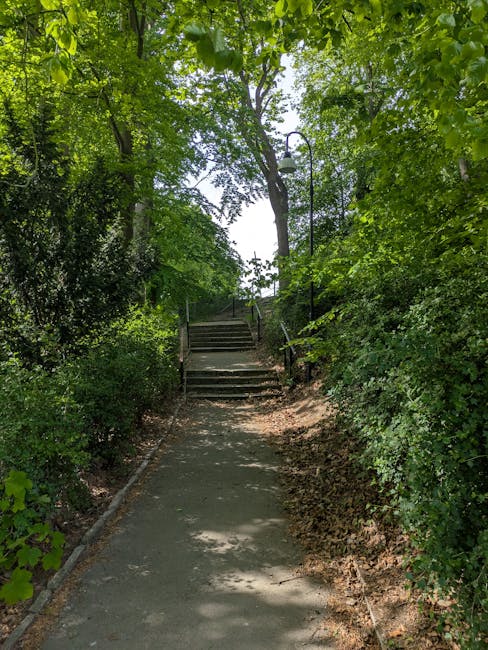
Perivale garden services access problems and fixes

If you have ever tried to get a garden team into a narrow side passage, around a locked gate, or through a neighbour-sensitive shared entrance, you already know the headache. Perivale garden services access problems and fixes is really about one thing: making sure the work can start safely, finish neatly, and not turn into a long day of avoidable delays. That might sound simple. In real gardens, though, access issues can touch everything from mower width to waste removal, from wet-slab slip risks to whether a hedge can be trimmed without dragging equipment through the house. This guide breaks the subject down in plain English, with practical fixes that actually help.
It is for homeowners, landlords, and anyone arranging outdoor work in Perivale who wants fewer surprises and a smoother visit. Truth be told, a lot of garden problems are not really garden problems at all; they are access problems wearing a disguise.
Why Perivale garden services access problems and fixes Matters
Garden access affects almost every part of a job. If a crew cannot get through safely, they may need to carry tools by hand, make extra trips, or adapt the service plan on the spot. That can slow work down, raise the chance of damage, and make a straightforward visit feel far more complicated than it should be.
In Perivale, a mix of terraced layouts, shared pathways, rear access lanes, and compact plots means access can be as important as the service itself. A lawn mowing booking can become awkward if the mower will not pass through a side gate. Hedge trimming can be delayed if branches need to be moved through a narrow hallway. Even patio cleaning gets messy when water run-off and equipment positioning were never thought through.
It also matters for trust. When access is discussed early, the customer knows what to expect, and the gardening team can plan sensibly. That is the difference between a tidy, efficient visit and the slightly chaotic kind where everyone starts moving bins, pots, and garden furniture at the last minute. Nobody enjoys that. Not really.
And there is a safety angle too. Poor access can create trip hazards, blocked exits, awkward lifting, and damage to fences or decking. If the route in is poor, the job itself may still be doable, but the risk profile changes. That is why access planning sits at the heart of good gardening services, not as an afterthought.
How Perivale garden services access problems and fixes Works
The basic process is usually simpler than people expect. First, the property is checked for entry points, clear working space, and any restrictions such as locked side passages, shared driveways, steep steps, or low overhead obstructions. Then the service plan is matched to those conditions. If a standard machine will not fit, a smaller one may be needed. If waste cannot be taken through the main house, another route is planned. If the garden is only reachable through a neighbour-adjacent path, timings and handling become more careful.
In practical terms, the work often breaks into four stages:
- Access review - identify the route in, route out, and the movement space inside the garden.
- Risk spotting - check for tight corners, slippery surfaces, weak steps, pets, children, and fragile features.
- Method matching - choose the right tools, crew size, and handling approach for the site.
- Protection and reset - protect surfaces, move items back, and leave the access route clear again.
That sounds administrative, but it is where the real savings happen. A job that is planned around access tends to feel calmer, quicker, and cleaner. For example, hedge trimming can be carried out more efficiently if cuttings can be bagged close to the work area instead of being dragged across wet paving twice. Small thing, big difference.
Useful planning often overlaps with other garden decisions too. For instance, if access is limited, vertical planting can reduce the need for bulky beds and awkward movement, while compact layouts inspired by container gardening in compact spaces can make maintenance easier all year round.
Key Benefits and Practical Advantages
Fixing access issues before the work begins gives you more than convenience. It changes how the whole visit feels.
- Less delay: crews can begin sooner because gates, routes, and handling points are ready.
- Lower risk of damage: fewer awkward lifts and fewer chances of scraping walls, paving, or timber features.
- Better finish: when access is sorted, the team can spend time on the actual garden work instead of just moving things around.
- Clearer pricing expectations: difficult access sometimes affects labour time, so accurate planning helps avoid awkward surprises.
- Safer working conditions: good access reduces trips, slips, and manual handling strain.
- More flexible service choices: some services become more realistic once access constraints are understood properly.
There is another benefit that is easy to miss: better communication with neighbours. If a garden job needs shared access or temporary movement through a common area, early notice keeps things civil. It sounds obvious, but in a dense urban street, even a wheelbarrow path can become a diplomacy exercise.
For gardens that are already difficult to manage, access fixes can open the door to longer-term improvements. A better gate position, smarter storage, or a cleaner route to the rear can make future maintenance much easier. In that sense, access is not just about today's job. It shapes the garden's upkeep for years.
Who This Is For and When It Makes Sense
This topic is relevant if any of the following sound familiar:
- You have a narrow side passage or no direct rear access.
- Your gate is too tight for standard garden equipment.
- Tools, waste, or materials have to be carried through a home or shared space.
- Your garden has steps, slopes, uneven paving, or a difficult threshold.
- There are privacy concerns, pets, or family routines that affect when work can happen.
- You are arranging anything from routine maintenance to a bigger makeover.
It also makes sense if you are comparing different services and trying to understand what will be straightforward versus what needs extra preparation. A simple lawn tidy can usually be adapted quickly. More involved work such as landscaping, fencing, decking repairs, tree surgery, or large-scale garden clearances may need a more detailed access check, especially if materials and waste have to move in both directions.
And if you want the garden to stay easier to manage afterwards, access planning can influence design choices too. A compact layout, a good planting structure, or a more resilient wind-smart design can reduce future friction. Related ideas like low-maintenance garden planning and a wind-smart garden environment can be surprisingly helpful here.
Step-by-Step Guidance
Here is the cleanest way to handle access problems before a garden visit. Nothing fancy. Just a sensible sequence.
- Walk the route from the street to the working area. Notice gate widths, latch height, bins, steps, overgrown plants, and any awkward turns.
- Measure the tight spots. If you know the width of the gate or passage, the team can decide whether a machine, trolley, or hand-carry approach is realistic.
- Check surface conditions. Wet paving, loose gravel, soft lawn edges, and mossy steps all slow movement and increase slip risk.
- Flag anything fragile. Trellises, glazing, ornaments, irrigation lines, raised beds, and deck boards need extra care.
- Confirm where waste will go. Cuttings and debris need a route out. If the waste path is unclear, the whole day becomes stop-start.
- Prepare keys, codes, or supervision. A locked gate with no access arrangement is a very common delay, annoyingly common.
- Clear a working lane. Move bikes, toys, plant pots, and furniture away from the route before the team arrives.
- Agree the order of work. For example, pruning before mowing may make sense if the lawn would otherwise be covered in cuttings.
- Keep one point of contact available. If access changes on the day, quick decisions prevent drift and wasted time.
- Do a final walk-through after the job. Make sure gates are shut, paths are reset, and nothing has been left blocking access later.
If the job is more complex, it can help to start with a full property review rather than trying to fix things on arrival. The team can then link the access plan with the service itself, whether that means garden maintenance, lawn mowing, patio cleaning, or more involved landscaping work.
Expert Tips for Better Results
Here are the little things that often make a big difference. The kind of details people forget until the van is already parked outside.
- Use the widest route, not the nearest route. A slightly longer path with less turning can be far safer and quicker.
- Protect the threshold. If crews must cross decking, tiled steps, or interior flooring, temporary protection can prevent scuffs and mud trails.
- Trim access-side growth first. Overgrown climbers, hedges, and self-seeded branches often steal width from paths. A pre-visit cutback may solve half the problem. See also advanced hedge trimming techniques.
- Store bulky items away from the route. Old compost bags, children's toys, and stacked planters always seem to land right where people need to walk.
- Plan for weather, not against it. A narrow route that is fine on a dry morning can become awkward after a shower. Perivale weather can turn a sensible surface into a slippery one very quickly.
- Ask for realistic timing. If access is tight, the job may need more time. Better to know that up front than to rush on site.
One useful mental model is this: the garden is not just a space to work in, it is a route network. Once you see it that way, access improvements become clearer. You start noticing where the bottlenecks are, which corners pinch movement, and which features are simply in the wrong place.
Also, do not ignore the psychological side. A tidy access route makes the whole property feel more manageable. That matters more than people admit. When a job starts smoothly, everyone relaxes a bit.
Common Mistakes to Avoid
Most access problems are not dramatic; they are just overlooked. Here are the mistakes that cause the most friction.
- Assuming the gate is wide enough. It might be for you, but not for a mower, wheelbarrow, or waste bag.
- Leaving access checks until the arrival time. That is how jobs lose their momentum before they begin.
- Forgetting about waste removal. Getting tools in is one thing. Getting cuttings out is another.
- Blocking the route with garden furniture. Even a single chair can create a silly bottleneck. Funny in hindsight, not funny on the day.
- Ignoring wet or uneven surfaces. Access may exist, but safe access may not.
- Not mentioning pets or children's routines. A dog at the gate or a toddler's nap schedule can affect timing and safety.
- Trying to force the wrong equipment through a tight space. That usually ends with damage, or at least a lot of muttering.
Another mistake is treating access as separate from the garden's future design. In reality, a poor layout can keep causing trouble. If you are already thinking about a bigger refresh, a project like a garden makeover can be the right moment to redesign circulation, storage, and working space properly.
And yes, sometimes the answer is simply to remove a barrier. That may mean pruning, moving a feature, or adjusting the service sequence. No need to overcomplicate it.
Tools, Resources and Recommendations
Good access work is often about the right basic equipment rather than specialist kit. The essentials vary by job, but these are the items that tend to matter most:
- Measuring tape: useful for gate widths, passage gaps, and step dimensions.
- Gloves and sturdy footwear: simple but important when paths are narrow or uneven.
- Tarps or protective sheets: helpful for keeping floors, decking, or painted surfaces clean.
- Hand trolleys or smaller transport aids: often better than trying to muscle large bags through a tight route.
- Basic lighting: for darker side passages, sheds, or early morning visits in winter.
- Temporary gate wedges or holds: useful when routes need to stay open while work is underway.
- Clear labels or storage boxes: handy when moving tools in and out without losing track of what belongs where.
For customer-side preparation, a simple garden toolkit can help too, especially if you like doing the lighter jobs between professional visits. There is a helpful overview in tools that turn enthusiasts into gardening pros, which fits neatly with the kind of practical planning we are talking about here.
On the organisation side, it helps to keep a short note on the gate width, any side access quirks, and whether waste needs special handling. A two-minute note in your phone can save a lot of back-and-forth later. Simple, but effective.
Law, Compliance, Standards, or Best Practice
Access planning in garden work usually sits within everyday UK best practice rather than anything overly dramatic. The key idea is straightforward: work should be carried out safely, with reasonable care for people, property, and shared spaces.
For practical purposes, that means attention to safe movement routes, sensible manual handling, and avoiding preventable hazards. If a path is slippery, a gate is unstable, or a shared entrance could be obstructed, those issues should be treated seriously. That is just good working practice.
Where work involves power tools, ladders, tree work, or heavy lifting, safety expectations become even more important. You can read more about how a provider may approach those duties on the site's health and safety policy and insurance and safety pages. Those pages are useful if you want reassurance before booking a more involved service.
Privacy and neighbour relations can matter too. If access involves shared routes or close boundaries, it is sensible to keep communication clear and respectful. For process questions, the terms and conditions, payment and security, and complaints procedure pages can be helpful for understanding how a professional service sets expectations.
Best practice is often less about legal drama and more about tidy preparation: clear route, clear scope, clear responsibility. That is the real standard to aim for.
Options, Methods, or Comparison Table
Not every access issue needs the same fix. Sometimes a small adjustment is enough. Sometimes the site needs a more practical redesign. The table below compares common approaches.
| Method | Best for | Pros | Limits |
|---|---|---|---|
| Route clearing | General maintenance, mowing, pruning | Fast, low cost, often immediate | Only works if the layout is already broadly suitable |
| Smaller equipment selection | Narrow gates, tight side passages | Reduces handling risk and damage | May take longer than larger machinery |
| Access-side pruning or reshaping | Overgrown hedges, climbing plants, blocked routes | Can permanently improve movement space | Needs careful timing and follow-up |
| Temporary protection and staging | Decking, patios, interior crossings | Helps prevent scuffs, slips, and surface wear | Adds preparation time |
| Layout redesign | Repeated access problems, garden makeovers | Best long-term fix | Requires more planning and usually more cost |
If the garden is small or densely planted, the long-term option is often the smartest one. A tidy access corridor, smarter planting structure, or more compact layout can make ongoing care easier. In city gardens especially, vertical planting can reduce clutter at ground level while still keeping the space lush and interesting. That is why vertical planting techniques and ground cover selections can be useful references when thinking beyond the next visit.
Case Study or Real-World Example
Picture a typical Perivale rear garden: a narrow side passage, a small gate that catches on the latch, and a patio that doubles as the only staging area. The homeowner wants hedge trimming, a light tidy-up, and waste removal on the same visit. At first glance, nothing impossible. But there are three access pressures already: the gate width, the surface underfoot, and the lack of a clear place to stack cuttings.
The fix is not glamorous. The team clears the passage first, checks the gate swing, protects the patio edge, and trims the access-side hedge before moving deeper into the garden. Cuttings are bagged in stages rather than all at the end. The result is calmer, quicker, and safer. The homeowner does not have to shuffle things halfway through, and the garden does not end up looking like a storage yard during the process.
That same approach can scale up. If the job later becomes a full refresh, the access improvements already in place help the bigger project run more smoothly. It is the sort of thing people rarely notice when it goes well. But they absolutely notice when it goes badly.
For a garden that also needs practical shaping, privacy, or structural repairs, the next steps might include fencing, tree surgery, or lawn care support. If the space is being refreshed as a whole, those services can sit nicely alongside a broader plan.
Practical Checklist
Use this before a booked garden visit or before requesting a quote. Keep it simple.
- Measure gate width, side passage width, and any tight turns.
- Check for steps, slopes, loose paving, or slippery areas.
- Clear bins, bikes, toys, planters, and stored bags from the route.
- Confirm whether access is through the house, shared entry, or rear lane.
- Note any locks, codes, or neighbour permissions needed.
- Identify fragile features like lights, pots, decking edges, and ornaments.
- Think about where waste will be collected and carried out.
- Tell the service provider about pets, children, or timing sensitivities.
- Decide whether temporary protection is needed for floors or paving.
- Ask if the service needs smaller tools or a different work sequence.
Expert summary: access problems are easiest to solve before anyone starts lifting, trimming, or moving waste. If the route is clear and the method matches the site, the job usually feels more efficient, less stressful, and far more professional. That is the sweet spot.
If you are comparing service options or want to discuss a difficult layout, the simplest next move is to speak with a local team early and describe the access clearly. You can do that through the about us page or by visiting the main contact page when you are ready.
Get a free quote today and see how much you can save.
Conclusion
Perivale garden services access problems and fixes are not really about one awkward gate or one narrow path. They are about making outdoor work practical, safe, and predictable. When you think about access early, you reduce stress, protect the property, and give the gardening work a much better chance of going smoothly.
That extra bit of planning pays off in a hundred small ways. Fewer interruptions. Cleaner edges. Less faffing about, to be fair. And a garden that feels easier to live with afterwards, not just easier to reach on the day.
Sometimes the best fix is simply a better route. Sometimes it is a smarter layout. Sometimes it is a small conversation before anyone turns up with tools. Either way, it is worth doing well.
And when a garden is easier to access, it somehow becomes easier to enjoy too. Funny how that works.
Frequently Asked Questions
What are the most common garden access problems in Perivale?
The most common issues are narrow side passages, tight gates, shared entrances, slippery paving, awkward steps, and limited space for moving tools or waste. In compact urban gardens, even a small obstacle can slow the whole job down.
How do I know if my garden access is too narrow for regular equipment?
Measure the tightest point from the street to the work area, including any turns. If the route feels awkward for a wheelbarrow, mower, or large bags, it is probably worth flagging before the visit so the right method can be chosen.
Can garden services still work if access is only through the house?
Often yes, but it needs careful planning. Protective coverings, cleaner handling methods, and clear communication are essential. If indoor access is part of the route, the team should know well in advance so the process stays controlled.
Does bad access make garden work more expensive?
It can, because awkward access may take more time, more handling, or smaller equipment. That does not mean every difficult garden costs more, but it is sensible to expect the route and layout to influence the quote or the time needed.
What can I do before the gardeners arrive to make access easier?
Clear the route, unlock gates, move bins and furniture, and warn the team about any pets, steps, or shared areas. If you can, measure the narrowest parts and share those details. It is a tiny effort that can save a lot of hassle.
Is access planning important for one-off jobs as well as regular maintenance?
Yes, absolutely. One-off jobs often involve more material movement, more setup, and more waste removal than routine visits. Access planning becomes even more useful when the job is larger or less familiar.
What if my garden has poor access and I want a bigger makeover?
That is usually the right moment to improve the layout itself. A makeover can include better circulation, smarter storage, more compact planting, or new hard landscaping choices that make future maintenance easier.
Should I mention pets or children when discussing access?
Definitely. Pets, school runs, nap times, and family routines can affect how and when access should be used. It is a simple detail, but it helps the work stay safe and calm.
Do I need to prepare anything for waste removal?
Yes. Make sure there is a clear route out for cuttings, soil, or old materials. If waste has to be carried through a home or shared path, that should be discussed before the job begins. Otherwise, the tidy-up phase can become the awkward bit.
Where can I find more information about safety and service expectations?
The most useful place is the provider's own information pages, especially the safety, terms, payment, and complaints pages. Those explain how the service is handled and what to expect if access or working conditions are more complex than usual.
What if access changes on the day because of parking or a neighbour issue?
That happens now and then. The best response is to keep one contact available and agree a fallback plan in advance. If the route changes, a good team will usually adapt by adjusting the order of work or switching to smaller handling methods.
Can access problems be fixed permanently?
Sometimes yes. A gate adjustment, better pruning, smarter storage, or a small layout redesign can remove the bottleneck completely. Other times, the fix is simply better planning each visit. Either way, the goal is the same: less friction, more usable garden.