UB6 Garden Maintenance Tips for Ealing Broadway Terraces
If you live with a terrace garden in UB6 and want it to look tidy, welcoming, and genuinely easy to live with, you are in the right place. The best UB6 garden maintenance tips for Ealing Broadway terraces are not about doing more work; they are about doing the right work, in the right order, for a compact London outdoor space that has to cope with shade, wind, neighbours, containers, and not much spare time. Truth be told, a terrace can be a small miracle when it is maintained well. It can also become a cluttered corner surprisingly fast.
This guide walks through the practical side of keeping a terrace garden healthy and attractive all year. You will find seasonal advice, maintenance routines, planting ideas, common mistakes to avoid, and a few local realities that matter in an Ealing Broadway setting. We will also point you towards useful related reading and services where it makes sense, including garden maintenance support, lawn care guidance, and broader gardening services if you want a hand with the heavier jobs.
Let's face it, terrace gardens ask a lot from a small footprint. They need structure, drainage, clean edges, and planting that can handle urban conditions. When those pieces come together, the result feels calm rather than cramped. And that's the goal here.
Table of Contents
- Why UB6 garden maintenance tips for Ealing Broadway terraces Matters
- How UB6 garden maintenance tips for Ealing Broadway terraces Works
- Key Benefits and Practical Advantages
- Who This Is For and When It Makes Sense
- Step-by-Step Guidance
- Expert Tips for Better Results
- Common Mistakes to Avoid
- Tools, Resources and Recommendations
- Law, Compliance, Standards, or Best Practice
- Options, Methods, or Comparison Table
- Case Study or Real-World Example
- Practical Checklist
- Conclusion
- Frequently Asked Questions
Why UB6 garden maintenance tips for Ealing Broadway terraces Matters
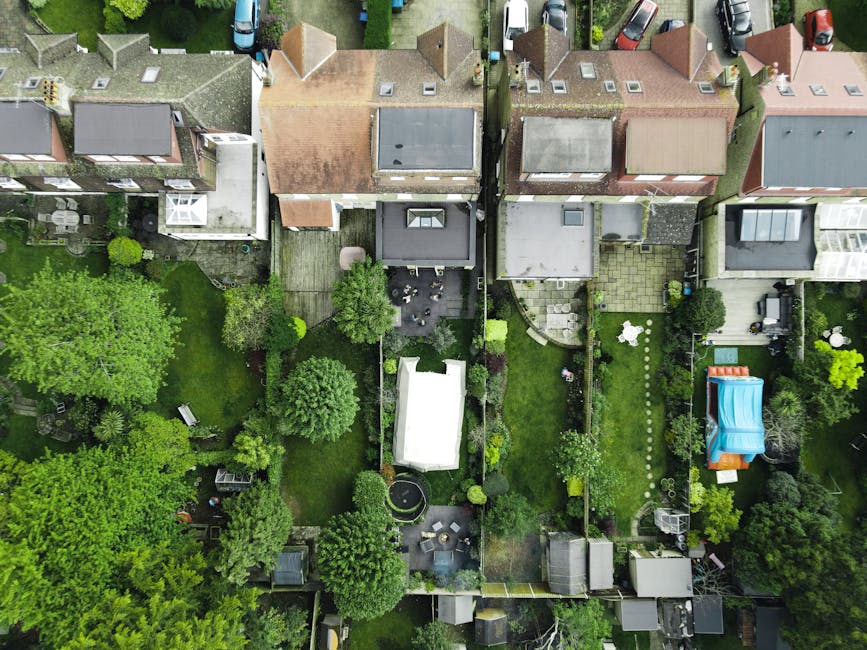
Terrace gardens in this part of West London are often close to walls, fences, alleyways, and neighbouring properties, so neglect shows quickly. A few weeds around paving, a tired planter, or a hedge that has gone leggy can change the feel of the whole space. On a terrace, every square metre carries visual weight. There is nowhere for mess to hide.
That is why a maintenance routine matters more here than in a large suburban plot. A well-kept terrace can make a flat feel brighter, a rear garden feel bigger, and an outdoor seating area feel usable even on a weekday evening after work. You step outside, hear the soft clink of pots, smell damp soil after rain, and suddenly the space feels like part of the home rather than an afterthought.
In UB6 and around Ealing Broadway, many terraces also have practical constraints: narrow access, shared boundaries, limited storage, and planting that has to cope with heat reflected from brick and paving. Good maintenance is not just about appearance. It protects plants from stress, keeps surfaces safer underfoot, and reduces the kind of gradual decline that turns a pleasant terrace into a weekend chore.
There is also a property-value angle, though you do not need to be thinking like a surveyor to care about it. Tidy borders, clean paving, healthy climbers, and well-chosen pots make a strong first impression. More importantly, they make the space feel cared for. That counts.
How UB6 garden maintenance tips for Ealing Broadway terraces Works
Good terrace maintenance works like a cycle, not a one-off tidy-up. The job is to keep the space balanced: plants, hard landscaping, drainage, access, and storage all need to play nicely together. If one part goes wrong, the rest tends to follow. A blocked drain can waterlog containers; a crowded planter can trap pests; a slippery patio can make the whole garden feel neglected.
The most effective approach is usually a simple rhythm:
- Weekly checks for weeds, dead leaves, and dry pots.
- Fortnightly tidying for edges, climbers, and surface cleaning.
- Monthly review of plant health, drainage, feeding, and pruning needs.
- Seasonal work for replanting, deeper pruning, soil refresh, and weather protection.
That rhythm helps you spot issues early, which is far easier than rescuing a container that has dried out three times too often or a hedge that has become too dense for light to reach the lower growth. In a terrace setting, the first signs of trouble are usually subtle. Yellow leaves. Moss in the corners. Water sitting at the base of a pot. Slight leaning after a windy night. Small things, but they matter.
If you are considering outside help, a structured service such as regular garden maintenance can be useful when you want consistency rather than a one-off clear-up. And if the terrace includes planting along boundaries, the specialised approach behind hedge trimming in Perivale may be worth looking at too.
Key Benefits and Practical Advantages
The obvious benefit is that the space looks better. But the practical advantages go further than aesthetics.
- Less stress: A tidy terrace is easier to enjoy, and easier to maintain again next week.
- Healthier plants: Regular care stops small problems from becoming plant loss.
- Better drainage: Especially important for containers and paved areas that can trap water.
- Improved privacy: Careful use of climbers, hedges, and screening can soften overlooked spaces.
- More usable space: Clean surfaces and well-placed pots make the terrace feel larger.
- Lower long-term cost: Preventive maintenance is often cheaper than replacing neglected plants and hard landscaping.
There is a quieter benefit too: a maintained terrace gives you a place to pause. A small breakfast table, a chair in the sun, or even five quiet minutes after a long commute can feel better when the surrounding space is orderly and alive. That may sound simple, but simple is underrated.
For many homeowners and tenants, the real win is low-maintenance beauty. You do not need a show garden. You need a space that looks good most of the time with manageable effort. That is a very different brief, and a more realistic one.
Who This Is For and When It Makes Sense
This approach is for anyone with a terrace garden, balcony-style courtyard, front hardstanding, or compact back garden in the UB6 area that needs regular care. It is especially helpful if you:
- work long hours and want a manageable routine;
- rent and need the garden to stay presentable without major changes;
- own a period property with awkward paving or mature boundary planting;
- have children or pets and need clear, safe circulation space;
- want more privacy from neighbouring homes or upper-floor windows;
- are planning a small refresh rather than a full redesign.
It also makes sense if your terrace has some of the common London quirks: shaded corners, windy exposure, self-seeded weeds in paving, or planters that dry out quickly in summer. If you have ever watered a pot in the morning and found it looking grumpy again by late afternoon, you will understand the issue.
For people planning a wider refresh, a garden makeover can be a sensible starting point. Likewise, if your terrace is short on visual height, vertical planting techniques can make the space feel more layered without eating up floor area.
Step-by-Step Guidance
Here is the practical bit. If you follow these steps in order, you will usually see a noticeable improvement fairly quickly.
1. Clear the surface first
Start with leaves, litter, broken twigs, and any dead plant material. In terrace gardens, debris collects around edges and under pots more than people expect. Move containers slightly so you can check for trapped moisture or hidden weeds. It is not glamorous work, but it gives you a clean view of what is actually happening.
2. Check drainage and water flow
Look at where water runs after rain or watering. If it sits around paving or under containers, you may need pot feet, better spacing, or a rethink of the planting layout. Soggy bases are a common reason plants fail in small urban gardens. A planter can look fine from above and still be quietly drowning underneath. Gardening has a way of doing that.
3. Weed properly, not just quickly
Pull weeds from the root where possible, especially in cracks and edges. A quick surface tug can make the terrace look better for a day, but the roots will return. For paving and paths, keeping on top of weed control is much easier than letting roots establish in joints. If you want a deeper read on that, take a look at weed control tips for cleaner garden surfaces.
4. Refresh containers and borders
Top up compost where it has sunk, remove tired annuals, and deadhead flowering plants. In terrace gardens, containers do a lot of heavy lifting, so they need regular attention. A couple of healthy pots can carry the entire design if they are well chosen. A few exhausted ones can drag it down just as fast.
5. Prune for shape and light
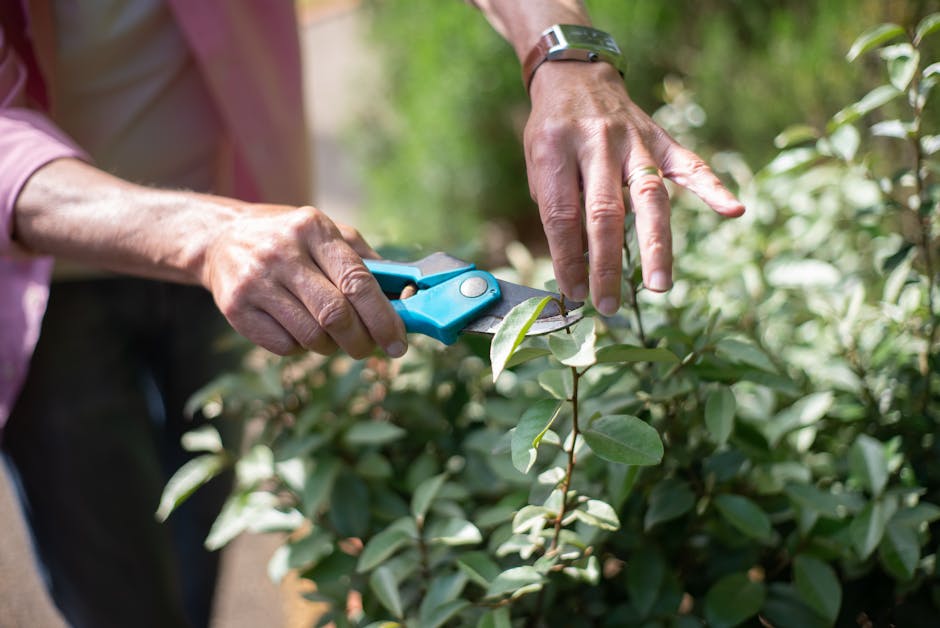
Trim climbers, shrubs, and hedges so they stay within the footprint you actually have. This is especially important in narrow terraces where overgrowth can steal light and make seating areas feel boxed in. If you have boundary hedging or screening, hedge trimming services may help keep everything neat and balanced.
6. Feed the soil, not only the plants
Healthy terrace gardens begin with healthy soil or compost. Replacing tired compost, adding organic matter, and improving structure gives plants a far better chance. If you are interested in making waste work harder for you, the guide on organic waste recycling is a good companion piece.
7. Finish with a clean edge and a simple layout
The final step is often the most satisfying. Realign pots, sweep paths, wipe surfaces, and make sure the space reads clearly from the house. A terrace looks best when the eye knows where to go: a bench, a planter group, a climber, a clean route through. Not too busy. Not too spare. Just enough.
Expert Tips for Better Results
A few small choices make terrace maintenance much easier over the long run. These are the details that experienced gardeners tend to notice quickly.
Choose plants for resilience, not just appearance
Beautiful plants are great, obviously, but terrace gardens need resilience too. Pick species that can handle some exposure, partial shade, or irregular watering. Container-friendly herbs, evergreen climbers, compact shrubs, and shade-tolerant perennials often perform better than delicate plants that demand perfect conditions.
Use height to free up floor space
Vertical planting is one of the smartest ways to create impact in a tight terrace. Trellises, wall planters, and trained climbers bring life upward instead of spreading it across every available inch. For a practical starting point, the article on city-friendly vertical planting is well worth a look.
Make pruning part of the design
Pruning should not feel like punishment. It is part of the shape of the garden. Regular light trimming is almost always better than waiting for one big, stressful cutback. The result looks cleaner and plants tend to recover more smoothly. If your terrace uses structural hedging for privacy, that maintenance is especially important.
Keep one eye on the weather
West London weather can switch from mild to soggy to very blustery without much warning. Containers topple, trellis plants flap around, and lightweight compost dries out quickly in sun then compacts in rain. A small adjustment now and then - moving a pot, securing a climber, checking a saucer - saves hassle later. There is a useful related read on creating a windsmart garden environment.
Keep hard landscaping part of the maintenance plan
Terrace maintenance is not only about plants. Patios, steps, and decking need attention too. Slippery algae, grime, and leaf staining can make the whole area feel off. A periodic patio cleaning routine helps restore the look and improve safety. If you have timber features, it may also be worth considering decking services when wear starts to show.
Keep the style low-fuss if your schedule is busy
Many people want a terrace that looks curated, not complicated. That is completely reasonable. In fact, it is usually the best brief. The ideas in low-maintenance garden design tips fit this mindset well: fewer plant types, clearer structure, and repeat planting for harmony.
Common Mistakes to Avoid
Most terrace problems do not start with one huge error. They start with small habits that seem harmless. A few examples:
- Overwatering containers: very common, especially when a plant looks thirsty but the soil is already wet below the surface.
- Ignoring drainage holes: a pot without proper drainage is basically a trap.
- Choosing too many plant styles: the terrace begins to look busy instead of cohesive.
- Letting climbers run wild: lovely in May, a nuisance by August if not trimmed.
- Using heavy pots without planning access: if it cannot be moved or rotated, cleaning becomes awkward.
- Forgetting boundary maintenance: fences, screens, and hedges frame the whole scene.
One subtle mistake is designing for peak summer only. A terrace that looks good for six weeks in July but feels bare or waterlogged the rest of the year is not really low-maintenance. It is just summer-centric. A better approach is to think across seasons, even if you are starting small.
And yes, buying "just one more planter" can become a hobby of its own. We have all seen that happen.
Tools, Resources and Recommendations
You do not need a shed full of specialist kit to maintain a terrace well. A small, dependable set of tools usually does the job:
- hand trowel and hand fork;
- secateurs for light pruning;
- long-handled pruner if climbers are trained up a wall;
- watering can with a fine rose;
- stiff broom for paving and steps;
- gloves with a good grip;
- small bucket or trug for clippings and weeds;
- compost, mulch, and slow-release feed where appropriate.
If you are just starting out, a practical primer like the beginner gardening toolkit can help you avoid buying too much, too early. That is one of the most common rookie mistakes. A shiny tool can feel like progress. Sometimes it is, sometimes it is just shiny.
For more organised upkeep, the right mix of services may include lawn mowing where grass areas exist, lawn care for feeding and repair, and broader landscaping if the terrace needs structural changes. If trees are shading the space heavily or roots are causing issues, tree surgery may become relevant, though only for cases where professional attention is genuinely needed.
If you want to understand the company background before deciding, the about us page is a useful place to start.
Law, Compliance, Standards, or Best Practice
For terrace gardens, the main thing is to follow sensible UK best practice and any building, lease, or neighbour-related obligations that apply to your property. You do not usually need anything dramatic for routine maintenance, but care is still important.
Here are the practical points worth keeping in mind:
- Respect boundaries and access: if shared fences, walls, or rear passages are involved, avoid work that creates nuisance or damage.
- Be cautious with height and access equipment: especially near upper-level windows, awkward steps, or unstable paving.
- Check lease or property rules: if you rent or live in a managed building, there may be rules around planting, storage, or structural changes.
- Dispose of waste responsibly: green waste and soil should be handled in line with local collection arrangements and site rules.
- Use safe working practices: gloves, stable footing, and sensible tool use matter more than people sometimes admit.
For reassurance around safe working methods, it is sensible to review the company's health and safety policy and insurance and safety information before commissioning larger works. If you are arranging service terms or payments, the pages on terms and conditions and payment and security are also worth a quick read.
Best practice, in plain English, means doing the job properly and safely, not rushing the visible bits while ignoring the less glamorous ones like drainage, waste, or access. That is where trust is built.
Options, Methods, or Comparison Table
When maintaining a terrace garden, you usually have three broad approaches: do it yourself, use a hybrid approach, or bring in regular professional support. Each has its place.
| Approach | Best for | Strengths | Trade-offs |
|---|---|---|---|
| DIY maintenance | Smaller terraces, confident gardeners, light upkeep | Low cost, flexible timing, full control | Can slip when life gets busy; harder for bigger jobs |
| Hybrid approach | Busy homeowners who want guidance plus occasional help | Balanced cost, professional input where needed | Needs a bit of planning and good communication |
| Regular professional maintenance | Terraces with frequent overgrowth, access issues, or design complexity | Consistency, speed, better finish, safer handling of bigger tasks | Higher ongoing cost than DIY |
If your terrace is mostly planted in pots and needs routine attention, DIY or hybrid care can work well. If the space has mature hedging, awkward paving, or repeated drainage problems, professional maintenance may save time and frustration. There is no one perfect answer. The right option is the one you can sustain.
For many people, a hybrid model is the sweet spot: you handle the light weekly jobs, and a professional steps in for pruning, seasonal tidy-ups, and surface work. That tends to be enough, honestly.
Case Study or Real-World Example
Imagine a terrace near Ealing Broadway with a narrow seating area, three large pots, a small strip of soil by the fence, and a few climbers trained up the back boundary. The garden looks promising in spring but by midsummer it has a few problems: one pot dries out too fast, the paving has weed growth in the joints, and the climber has begun to lean into the sitting area.
A practical maintenance reset would usually look like this:
- clear and sweep the paving;
- check and improve drainage around the pots;
- cut back the climber slightly to restore shape and light;
- replace tired compost in the worst-performing container;
- group pots for better water retention and visual balance;
- add a simple evergreen element so the terrace still looks good in winter.
After that kind of reset, the garden does not need to be "finished" to feel transformed. The space becomes easier to use, easier to water, and easier to keep tidy. You notice the chair fits without squeezing past a pot. You notice the fence looks intentional rather than forgotten. Small changes, but they change the day-to-day experience of the terrace.
A client-like scenario we often see is someone saying, "It's not bad, it just feels messy." That usually means the structure is fine, but the maintenance rhythm has drifted. Once that rhythm is restored, everything settles down again.
Practical Checklist
Use this checklist to keep a terrace garden under control without overcomplicating it.
- Remove dead leaves and surface debris every week.
- Check pots for dryness, waterlogging, and signs of stress.
- Pull weeds from paving, edges, and container rims.
- Trim climbers and hedges before they block light or paths.
- Top up compost and mulch where needed.
- Inspect drainage after heavy rain.
- Sweep patios and steps to reduce slipping.
- Reposition pots so the layout still feels balanced.
- Replace exhausted annuals or damaged plants promptly.
- Review privacy and boundary planting each season.
- Store tools dry and easy to reach.
- Book help for larger pruning or reset jobs before the garden gets out of hand.
Quick expert summary: the best terrace maintenance is consistent, modest, and realistic. Not flashy. Not fussy. Just steady care that keeps the space usable and pleasant all year.
Get a free quote today and see how much you can save.
Conclusion
UB6 garden maintenance tips for Ealing Broadway terraces are really about making small spaces work beautifully without turning them into a burden. Keep the surface clean, the planting resilient, the pruning regular, and the layout simple enough to enjoy. If you do that, your terrace will feel better in every season, not just when the sun is out and everything looks its best for a week or two.
There is something especially satisfying about a terrace garden that looks calm from the kitchen window and feels easy when you step outside. That calm does not happen by accident. It comes from small, thoughtful maintenance, repeated just often enough. And once it clicks, you will wonder why it ever felt difficult.
Frequently Asked Questions
How often should I maintain a terrace garden in UB6?
A light weekly tidy, a more thorough monthly check, and seasonal pruning or replanting usually works well. The exact rhythm depends on how many pots, climbers, and hard surfaces you have.
What are the most important UB6 garden maintenance tips for Ealing Broadway terraces?
The key ones are drainage, weed control, regular pruning, simple planting structure, and keeping paving clean. On a terrace, small issues show quickly, so consistency matters more than big occasional efforts.
Which plants work best in a terrace garden near Ealing Broadway?
Resilient container plants, evergreen structure, climbers for height, and shade-tolerant species often perform best. The right mix depends on sun, wind, and how much watering you can realistically keep up with.
How do I stop my terrace from looking cluttered?
Limit the number of plant styles, repeat a few container shapes, and keep a clear route through the space. Height and layering help more than adding lots of extra pots. Less can really be more here.
Is professional garden maintenance worth it for a small terrace?
It can be, especially if you have limited time, awkward access, or plants that need regular shaping. A smaller garden still needs care, and a professional visit can prevent bigger problems later.
What is the best way to deal with weeds in terrace paving?
Remove weeds properly from the root, keep joints clean, and avoid letting debris sit on the paving. A regular sweep and quick check after rain will make a big difference.
Can I use vertical planting on a terrace without making it feel busy?
Yes, if you keep the palette simple and use one or two strong vertical features instead of several competing ones. A single trellis or wall planter can add height without overwhelming the area.
How do I protect terrace plants from strong wind?
Use heavier pots, group containers together, choose tougher plants, and secure climbers properly. Wind can dry out plants quickly and topple lighter containers, so positioning matters.
Do I need to worry about safety and insurance for garden work?
For larger tasks, yes. It is sensible to check that any contractor uses safe working practices and has appropriate insurance. For routine DIY jobs, simple precautions like gloves, stable footing, and careful tool use go a long way.
What if my terrace gets very little sunlight?
Then choose shade-tolerant planting and avoid forcing sun-loving species to cope. A shaded terrace can still look lush and welcoming with the right mix of foliage, climbers, and containers.
How can I make maintenance easier if I rent my home?
Focus on containers, movable features, and regular tidying rather than permanent changes. That keeps the terrace attractive without creating issues for the property layout or tenancy rules.
Where should I start if my terrace is completely overgrown?
Start with clearing, pruning, and surface cleaning before planting anything new. Once the structure is visible again, it becomes much easier to decide what to keep, what to replace, and what to simplify.